
Post-Traumatic Stress in Pregnancy: What No One Tells You
If you’re experiencing post-traumatic stress in pregnancy, you’re not imagining it, exaggerating it, or “making things harder than they need to be.” Your body remembers what happened last time, even if everyone around you keeps saying, “But this pregnancy is different.” They mean well, but they don’t understand that trauma doesn’t follow a medical timeline. It follows an emotional one.
I’ve sat with so many mothers who carried life and fear in the same breath, who walked into ultrasounds already braced for the sound of silence. And if you’re reading this, there’s a good chance you know that feeling too.
This guide isn’t going to tell you to “just relax.” It’s going to explain why your anxiety makes sense, what PTSD in pregnancy can look like, and how you can move through this experience with steadiness rather than shame.
You deserve a space where your story is held with tenderness. Let this be one of them.
What PTSD in Pregnancy Actually Feels Like (And Why It Makes Sense)
When you’ve lived through reproductive trauma, such as stillbirth, NICU stays, pregnancy loss, or a traumatic birth, your nervous system learns to expect danger. It’s not because you’re dramatic. It’s because something genuinely terrifying happened, and your brain hasn’t forgotten.
A mother once told me, “I walked into my first ultrasound after my loss and felt like I was walking back into the fire.” That’s exactly what trauma does: it convinces your body that the past is happening again right now.
Here’s how PTSD can show up during a new pregnancy (in ways people rarely talk about):
Re-experiencing the trauma
Flashbacks that come out of nowhere. Nightmares you can’t shake. Moments in the shower or in bed where you suddenly feel like it’s all happening again.
These aren’t “overreactions.” They’re trauma echoes.
Avoidance that looks like indifference, but isn’t
Skipping prenatal appointments because hearing a heartbeat feels like Russian roulette. Avoiding baby aisles, birth classes, and even conversations about due dates. Not wanting to attach, just in case.
You’re not cold. You’re protecting a tender part of yourself.
Hyperarousal and constant scanning
Jumping at every sound. Sleeping lightly or not at all. Feeling like your chest never quite settles.
This is the nervous system on guard duty.
The heavy emotional aftermath
Shame for not being excited enough. Guilt for feeling detached. Fear that you won’t bond with the baby. Worry that something is already wrong.
You might look “stable” on the outside, but inside, you’re carrying the weight of two stories at once: the one that ended too soon, and the one unfolding now.

What No One Tells You About PTSD During Pregnancy
Most people think pregnancy after trauma is simply “nerve-wracking.” That’s not even close. There are so many truths mothers whisper privately because the world often doesn’t make room for them.
PTSD can happen even in a “healthy” pregnancy
You don’t need an emergency. You don’t need a catastrophic injury. Sometimes the trauma was the silence, the dismissal, the way no one explained what was happening. Trauma isn’t measured in severity. It’s measured in impact.
PTSD can worsen pregnancy outcomes
Research has found that pregnant women with PTSD experience higher rates of preterm birth and complications. Your body is doing its best to cope with what it has gone through.
PTSD rarely shows up alone
It often travels with depression, anxiety, panic, or even substance use as a way to numb what feels unbearable. It doesn’t mean you’re failing. It means you’ve been carrying too much alone.
It affects bonding, but not because you don’t love your baby
Traumatized mothers often tell me, “I’m scared to connect because I don’t trust that I’ll get to keep them.” That isn’t disinterest. It’s grief trying to protect your heart from another break.
Can Stress in Pregnancy Affect the Baby? Here’s What to Actually Know
This is a question mothers ask quietly, usually with fear tucked between the lines: “Am I hurting my baby by being so anxious?”
You’re not. And I want you to read that again.
Stress becomes harmful when it’s chronic, untreated, and dismissed. But the anxiety you’re feeling right now isn’t a sign that you’re harming your baby. It’s a sign that something inside you needs tending.
What helps the most is real, consistent, compassionate support. That means trauma-informed providers, safer appointments, and environments where you can speak without minimizing yourself.
You’re not doing anything wrong. You’re just carrying more than most people will ever understand.
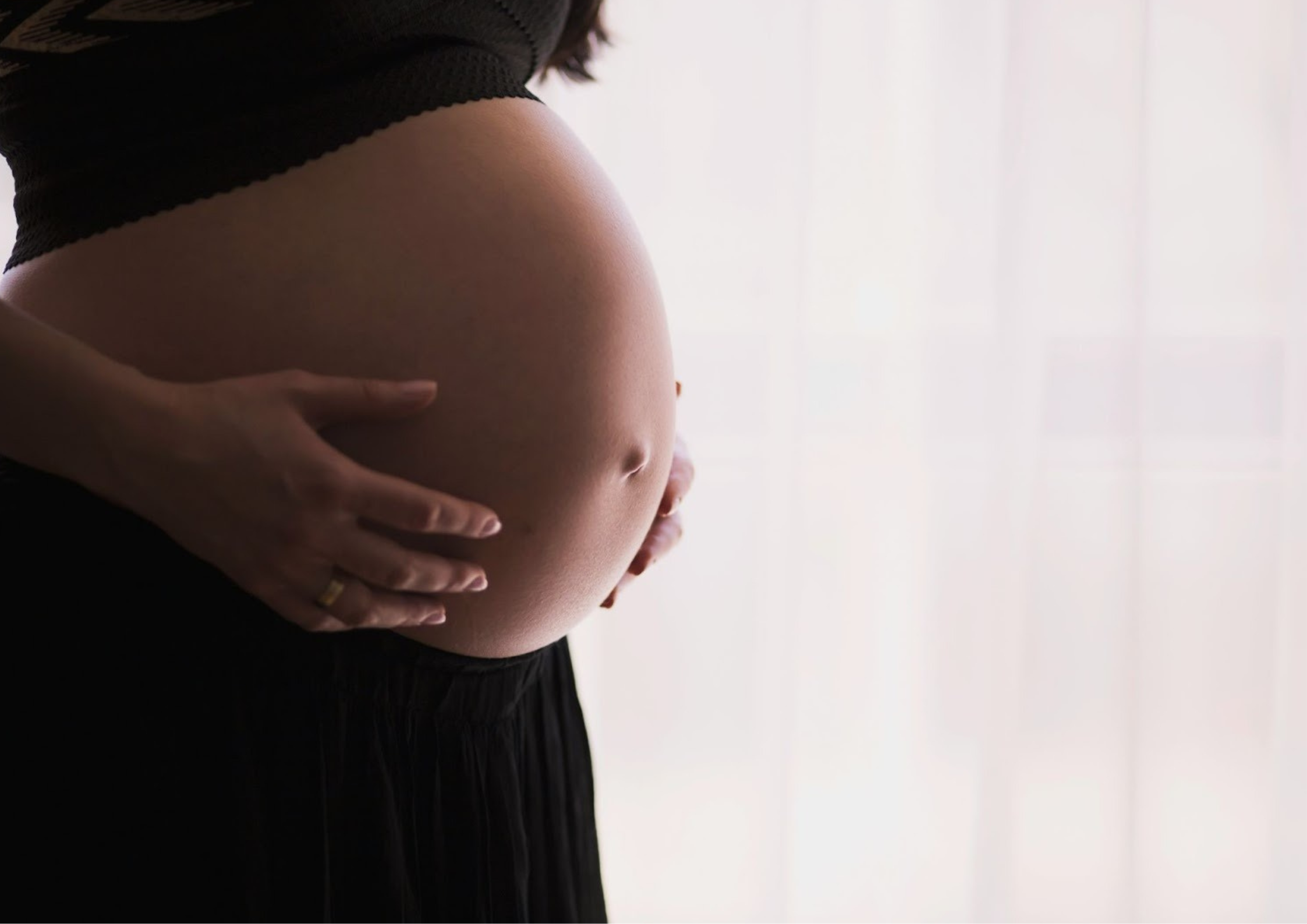
What Causes Trauma During Pregnancy? It’s Not What Most People Assume
People assume the only “real trauma” is a near-death experience or medical disaster. But the number one cause of trauma during pregnancy is far more human: a loss of control or safety.
This includes:
Not being listened to
Being dismissed
Not having procedures explained
Feeling rushed, coerced, or ignored
Being alone in moments you should never have been alone
Experiencing racism or bias in medical settings
Receiving devastating news without care or clarity
Trauma is not defined by the event. It’s defined by how powerless, terrified, or silenced you felt while it unfolded.
And if that was your experience, it matters.
What Happens Now
If you’re living with post-traumatic stress in pregnancy, you deserve more than reassurance. You deserve support that takes your fear seriously and honors what you’ve already lived through.
Take the next small step. It doesn’t have to be perfect. Maybe that’s choosing a trauma-informed provider. Maybe it’s talking with someone who understands. Maybe it’s allowing yourself to say out loud, “This is harder for me than people realize.”
And if you want a place where your grief and anxiety are met with gentleness, not judgment, Whole Mother Story is here to hold that with you.
Click here to receive my free resource, “A Gentle Guide to Grieving After Reproductive Trauma.”
It’s not a fix. But it is a soft landing place. And sometimes, that’s enough to get through today.